
Explore furniture hardware for cabinet movement, blind-corner storage, and custom branding—three details for a more complete product range.
A strong furniture collection depends on more than panels, upholstery, or surface finishes. Buyers also evaluate how doors move, how storage space is used, and how the finished product communicates its brand. Selecting these details together can help importers, distributors, and furniture manufacturers create a more consistent, market-ready range.
Hardware That Improves Everyday Function
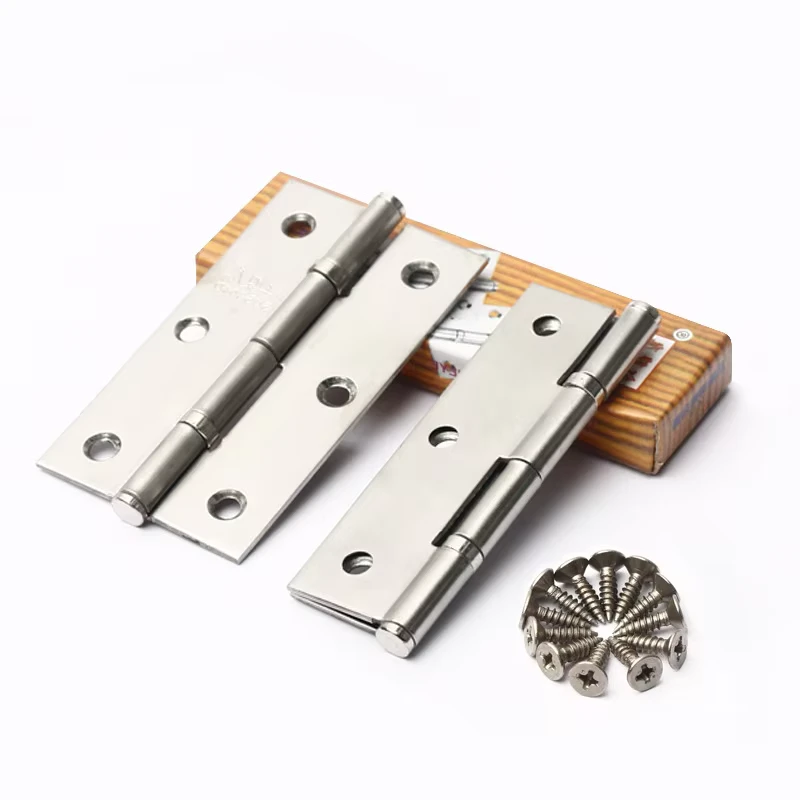
For compact cabinets, a stainless steel hinge provides a durable connection with a traditional appearance. Available in 2-inch, 2.5-inch, and 3-inch size options, it is suitable for small cabinet doors used in living rooms and other interior furniture applications. Buyers should confirm door dimensions, mounting holes, finish expectations, and required quantities before ordering.
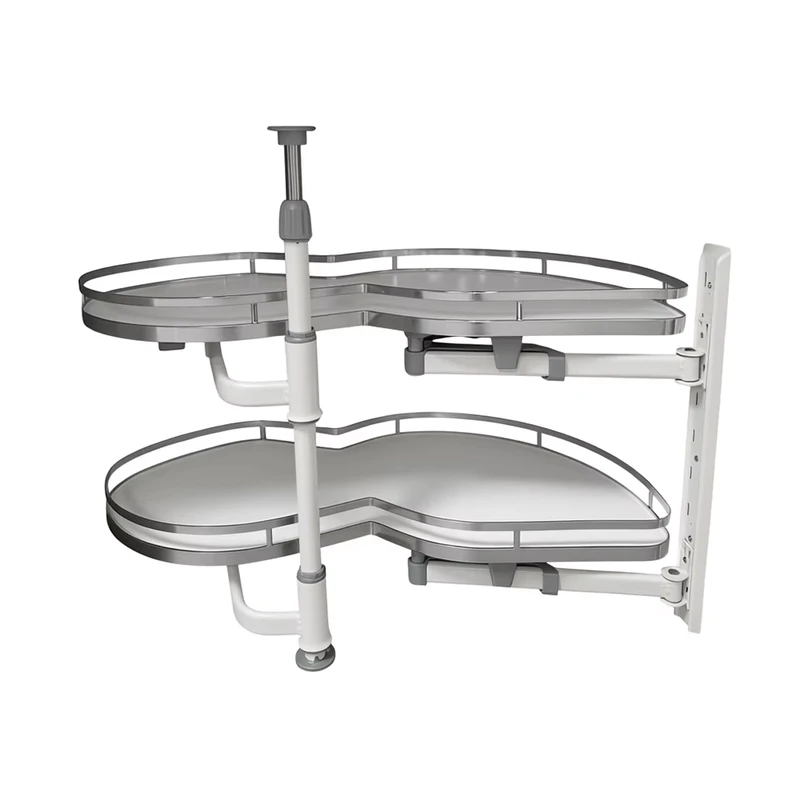
Kitchen projects present a different challenge: making awkward corner space accessible. The steel blind corner basket combines pull-out access, swing trays, and soft-close movement. This format can support practical kitchen layouts while giving users easier access to items stored deep inside a base cabinet.
Branding at the Final Touchpoint
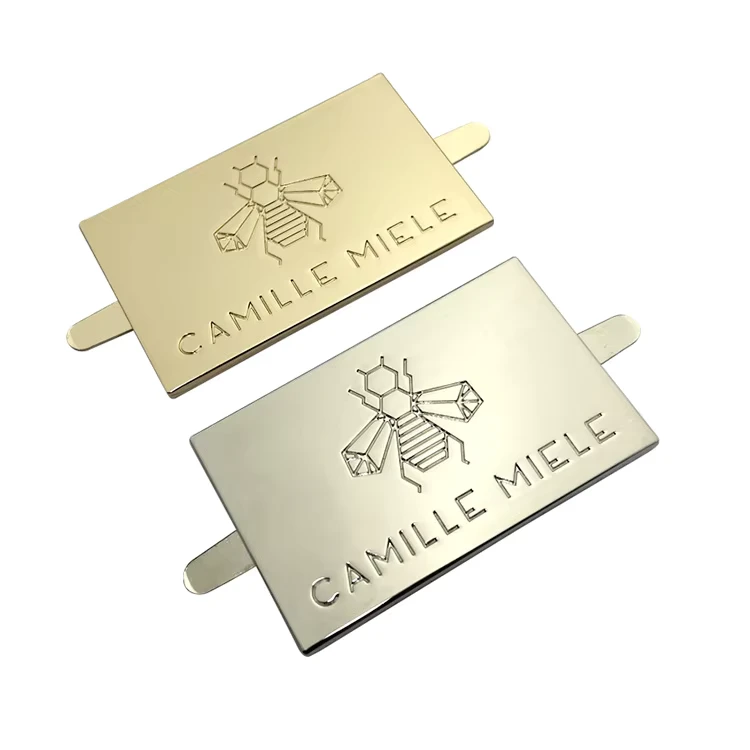
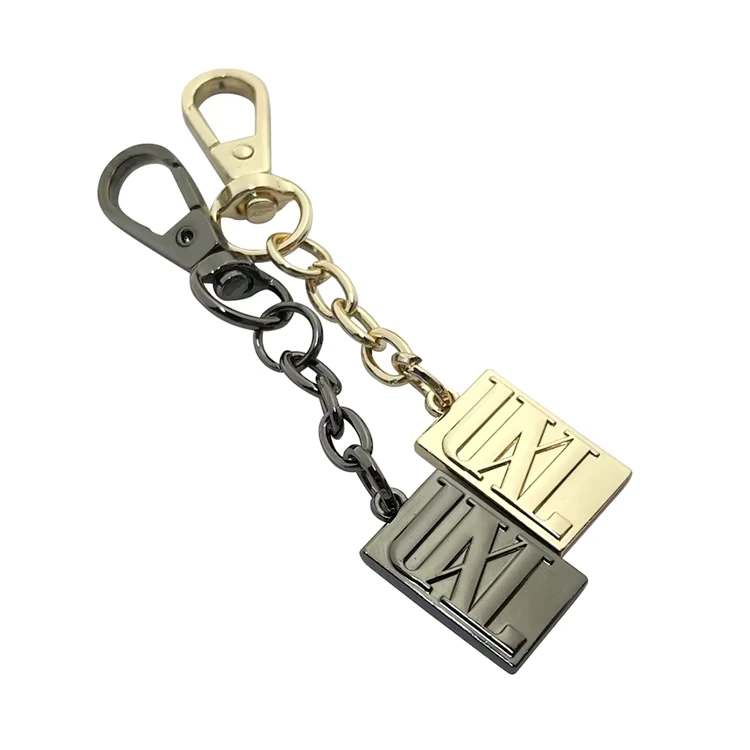
Functional components solve movement and storage needs, but visible branding adds identity. A custom metal nameplate can carry a private logo on sofas and other furniture. Rectangle shapes, custom colors, smooth surfaces, and 3D artwork support different brand directions, from classic to contemporary. The available specification also includes nickel-free, lead-free, washable, and oxidation-resistant options.
These products serve different purposes, yet together they show how a coordinated furniture hardware program can address construction, usability, and presentation. For sourcing discussions, share your drawings, dimensions, finish requirements, packaging preferences, and target order volume to receive a more relevant quotation.